

Picking a casino app is not just a matter of mere convenience; it is a decision that affects security, SlotsPalace mobil spielen, game variety, performance, and long-term value. Players who comprehend the technical and operational variations between apps make better-informed choices and steer clear of common pitfalls such as device incompatibility, hidden fees, or unreliable updates. This guide explores the essential criteria that distinguish a dependable mobile platform from one that merely looks attractive on a store listing. Each section focuses on a distinct aspect of the decision process, from compatibility checks to ongoing maintenance, so users can evaluate any app with clear, verifiable standards rather than marketing claims.
Grasping the Mobile Casino Landscape
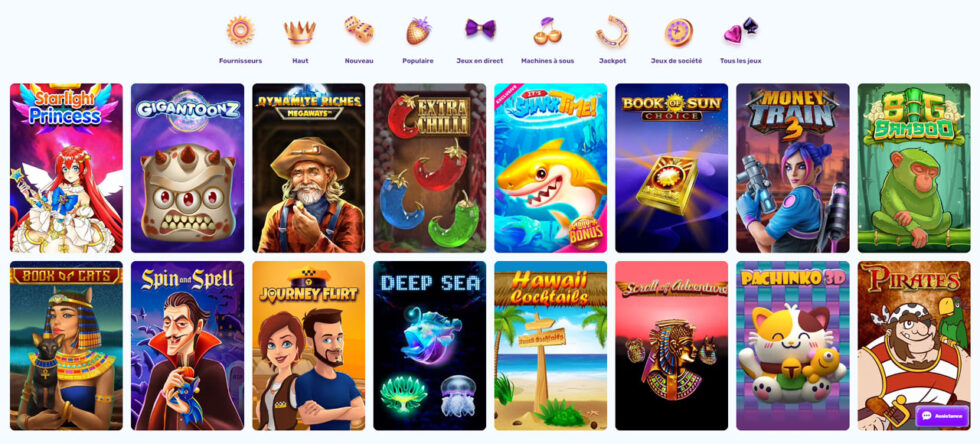
The mobile casino industry has developed into a unique product class that diverges from desktop systems in design, update cycles, and user expectations. Modern casino apps are developed as native or hybrid programs that communicate directly with device equipment, allowing faster graphics processing and touch-optimized interfaces that a browser cannot imitate. Because these applications must pass operating-system security reviews, they often receive earlier patches for vulnerabilities than web releases. Players who consider the app as a separate product rather than a mobile copy of the website gain entrance to functions such as biometric login, push notifications for bonus timers, and offline caching of game assets. Acknowledging these structural variations helps users establish realistic expectations about storage requirements, data usage, and the rate of mandatory updates.
Market data reveals that average session length on casino apps exceeds desktop sessions by roughly twenty percent, largely because users bring their devices throughout the day and can resume play during brief idle intervals. This behavioral change influences how operators assign development funds, emphasizing touch-screen ergonomics and battery performance over high-resolution desktop graphics. Consequently, an app that operates smoothly on a mid-range handset may still lag on an older tablet due to discrepancies in GPU support and memory assignment. Understanding these platform-specific limitations stops dissatisfaction when an app advertised as “universal” is unable to deliver consistent frame rates across every compatible device.
Weighing Cost, Value, and Concealed Fees
While most casino apps themselves are without charge to download, the overall cost of ownership encompasses data charges, likely payment processing fees, and the opportunity cost of time used navigating poorly designed interfaces. Users should itemize these expenses before committing, beginning with an approximation of monthly data usage multiplied with the carrier’s per-megabyte rate. Payment methods that have percentage-based fees, such as certain e-wallets or cryptocurrencies, can reduce bonus value if the operator does not refund those costs.
Hidden fees also manifest in the shape of currency conversion markups when an account balance is maintained in a currency other than the player’s funding source. An app that presents real-time conversion rates and permits users to lock in a rate for twenty-four hours provides transparency that reduces unexpected deductions. Withdrawal processing times influence the liquidity of winnings; an app that promotes instant withdrawals may still apply manual verification delays on the first cash-out, practically lengthening the cost of capital for players who rely on prompt access to funds. Comparing these variables across multiple apps provides a more accurate picture of which platform delivers the highest net value instead of the highest advertised bonus.
Organizing Updates, Upkeep, and Ongoing Backing
Extended viability of a casino app relies on the operator’s dedication to frequent updates that handle both security updates and new regulatory obligations. Players should review the regularity of revisions over the last twelve months; an app that receives fewer than one update per quarter may fall behind operating-system updates, resulting in eventual mismatch. Release notes that cite adherence with new data-protection laws or incorporation of updated financial methods show ongoing advancement investment.
Maintenance also covers server-side modifications that influence game return-to-player rates or bonus frameworks. Although these changes do not require user action, they can alter the expected worth of ongoing promotions. Gamers who monitor historical payment data through independent auditing organizations can spot whether an revision has altered volatility characteristics, enabling them to adjust betting strategies correspondingly. Understanding the app’s sunset policy, specifically how long an older version remains working after a mandatory revision, aids users organize device enhancements and sidestep forced transition during critical promotional phases.
Assessing Performance Metrics Across Devices
Performance consistency matters more than peak graphical fidelity when assessing a casino app, because players expect uninterrupted play even on variable network connections. Frame-rate stability, measured in frames per second during bonus rounds, serves as a reliable indicator of optimization quality. Users can capture their own tests by enabling the device’s built-in performance overlay or by consulting independent benchmarks that log frame times across multiple handset models. An app that sustains above fifty-five frames per second on a mid-range chipset demonstrates efficient use of GPU resources and is less likely to overheat during extended sessions.
Memory footprint also impacts multitasking behavior; an app that occupies more than three hundred megabytes of RAM may force other applications to reload when the user switches contexts. This behavior becomes noticeable during live dealer sessions that run concurrently with messaging apps. Battery drain tests conducted under controlled conditions show whether the app employs aggressive background processes that continue after the screen is locked. Players who travel frequently gain from choosing an application whose power consumption profile allows several hours of play on a single charge without requiring a power bank.
Evaluating Game Selection and Feature Implementation
The breadth of a casino app’s game library decides whether players can pursue preferred titles without reverting to the desktop site. A carefully selected mobile catalog includes not only popular video slots but also table games with modifiable interface scaling, live dealer streams designed for portrait orientation, and progressive jackpot counters that update in real time without manual refresh. Users should verify that each game category renders its full asset set rather than serving a reduced mobile subset, because some operators strip away high-definition textures to conserve bandwidth.
Feature parity applies to responsible-gaming tools such as deposit limits, session reminders, and reality checks that must work identically on mobile and desktop. An app that lacks these controls obliges users to move platforms mid-session, breaking gameplay and weakening harm-reduction measures. In-app search functionality should provide filters for volatility, return-to-player percentage, and theme keywords; the lack of these filters suggests a less mature product that may frustrate players seeking specific mathematical profiles.
Verifying Device and Operating-System Compatibility
Before installing any casino software, users should confirm that their handset meets both the stated minimum specifications and the real-world performance thresholds reported by other players. Most casino apps list supported operating systems on their store page, yet the declared range often masks subtle problems with certain processors or screen displays. A useful verification approach is to compare the app’s demands against the device’s build version and then look for recent user comments that cite the exact handset. This step reveals whether an operating-system patch has caused graphics driver conflicts that the developer has not yet fixed.
Compatibility also applies to peripheral hardware such as external joysticks, secondary screens, or VPN configurations that some gamblers use for privacy. An app approved for Android 10 may still block connections from a Bluetooth gamepad if the developer left out the necessary input drivers. Also, iOS users who rely on Low Power Mode should be aware that certain casino apps stop background processes after thirty min, disrupting timed bonus gathering. Checking these edge situations before setup saves time and avoids the requirement to uninstall and reconfigure options later.
Understanding Data Usage and Connectivity Needs
Data usage varies considerably between static slot games and live dealer streams, and users on metered connections must account for these discrepancies when selecting an app. A single hour of standard slot play usually sends between fifteen to twenty-five megabytes, whereas live blackjack with multiple camera angles can go beyond one hundred megabytes in the same period. Applications that offer a “lite graphics” toggle reduce texture resolution and compress audio, lowering data usage by approximately thirty percent without changing payout mechanics.
Network stability requirements also differ by game type; live dealer titles need consistent latency below one hundred milliseconds to avoid desynchronization between player actions and dealer responses. Players in regions with fluctuating mobile coverage should test the app on both Wi-Fi and cellular networks before dedicating funds, because some titles store only the initial game state and then rely on continuous connectivity. Monitoring data usage through the device’s built-in statistics aids users define monthly caps and avoid surprise overage charges that could exceed the cost of several gaming sessions.
Reviewing In-App Security and User Safeguards
Protection within a casino app includes encryption methods, authentication techniques, and data-handling guidelines that together determine how securely financial and personal information flows between the device and the operator’s servers. Reputable apps use TLS 1.3 for all data in transit and store sensitive tokens in the device’s hardware-backed keystore rather than in shared preferences. Users should check for explicit mentions of these protocols in the app’s privacy documentation, because marketing copy that simply states “secure” offers no actionable detail.
Two-factor authentication provided through authenticator apps rather than SMS lowers the risk of SIM-swap attacks, yet some casino apps still default to SMS codes. Players who emphasize security should enable the stronger option during initial setup and store backup codes in an offline location. Biometric authentication such as fingerprint or facial recognition should be combined with a strong alphanumeric passcode, because biometric templates can be bypassed on rooted or jailbroken devices. Regular inspection of active sessions from the account dashboard enables users to revoke access from lost or shared devices before any unauthorized transactions occur.
Evaluating Download Sources and Installation Integrity
The safest route to acquiring a casino app is through the official storefront of the device’s operating system, because both Apple and Google perform automated and manual security scans before publishing an application. When an operator provides an app outside these channels, users must carry out additional integrity checks such as checking the developer certificate fingerprint and confirming that the download URL matches the domain listed on the operator’s official website. Sideloading presents risks ranging from modified game files that alter payout percentages to bundled malware that steals login credentials.
Even within legitimate stores, users should inspect the app’s update history for sudden spikes in file size, which may signal the addition of new game engines or advertising libraries. A transparent developer will release release notes that list bug fixes alongside new content; vague entries such as “performance improvements” without metrics warrant closer scrutiny. Players who reside in regions where the app is geo-restricted may face redirected download links that lead to unofficial mirrors; recognizing these redirects before clicking maintains device security and makes sure the installed package matches the audited version.
Integrating the App into a Controlled Gaming Routine
Safe gaming features integrated within a casino app should operate as forward-looking tools rather than reactive restrictions. Effective implementations include adjustable loss limits that activate an automatic cooling-off period, session time trackers that display elapsed minutes in real time, and self-exclusion toggles that persist active across device reinstalls. Users gain from checking these controls during the initial setup phase, confirming that limits cannot be modified without re-authentication and that exclusion periods cannot be shortened through customer-support overrides.
Linking with external support resources further enhances the app’s responsible gaming posture. An application that offers direct links to jurisdiction-approved counseling services and supplies those links with localized phone numbers demonstrates a commitment beyond mere compliance. Players should also confirm that the app’s notification system follows “do not disturb” schedules, because intrusive bonus reminders can undermine self-imposed break periods. By viewing these features as core evaluation criteria rather than optional add-ons, users pick an app that promotes sustainable play patterns aligned with personal financial goals.
Picking a casino app requires systematic comparison across compatibility, security, performance, and responsible gaming dimensions. Players who document their requirements, evaluate each criterion on their own devices, and monitor ongoing updates place themselves to enjoy mobile play that stays reliable, secure, and aligned with individual budgets. The next step is to compile a shortlist of two or three candidate apps, execute the verification procedures outlined above, and pick the platform that satisfies every concrete standard without compromise.